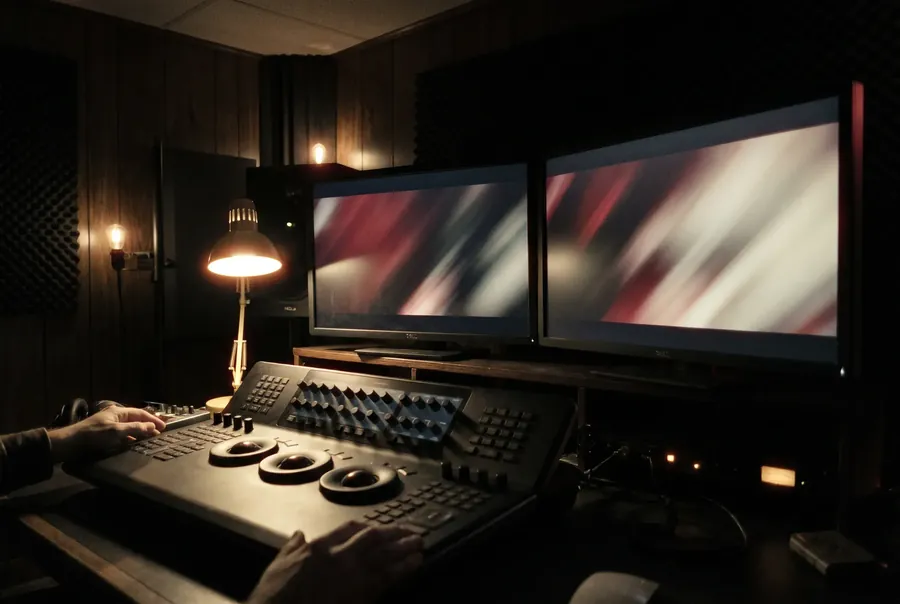
Arden gave us ninety seconds and a pre-production car that could not legally exceed 80 km/h. The lakebed gave us something stricter: about forty minutes each morning when the light was low, warm and still clean, before the heat came up off the salt and every long lens turned the horizon to soup.
The window
We arrived two days before the shoot with a stills camera, a light meter and a thermos. Each morning we logged the colour temperature every five minutes from first light until the shimmer started. On day one the usable window was 41 minutes. On day two it was 38. We built the schedule around 35.
Testing the light
The first test was the obvious one: shoot into the sun and let the anamorphics flare. It looked like every car advert ever made. The second test put the sun behind the camera and the car in raking side-light, so the salt read as texture rather than glare. That became the film.
The car could do 80. The light could do forty minutes. We planned around the light.
The kit
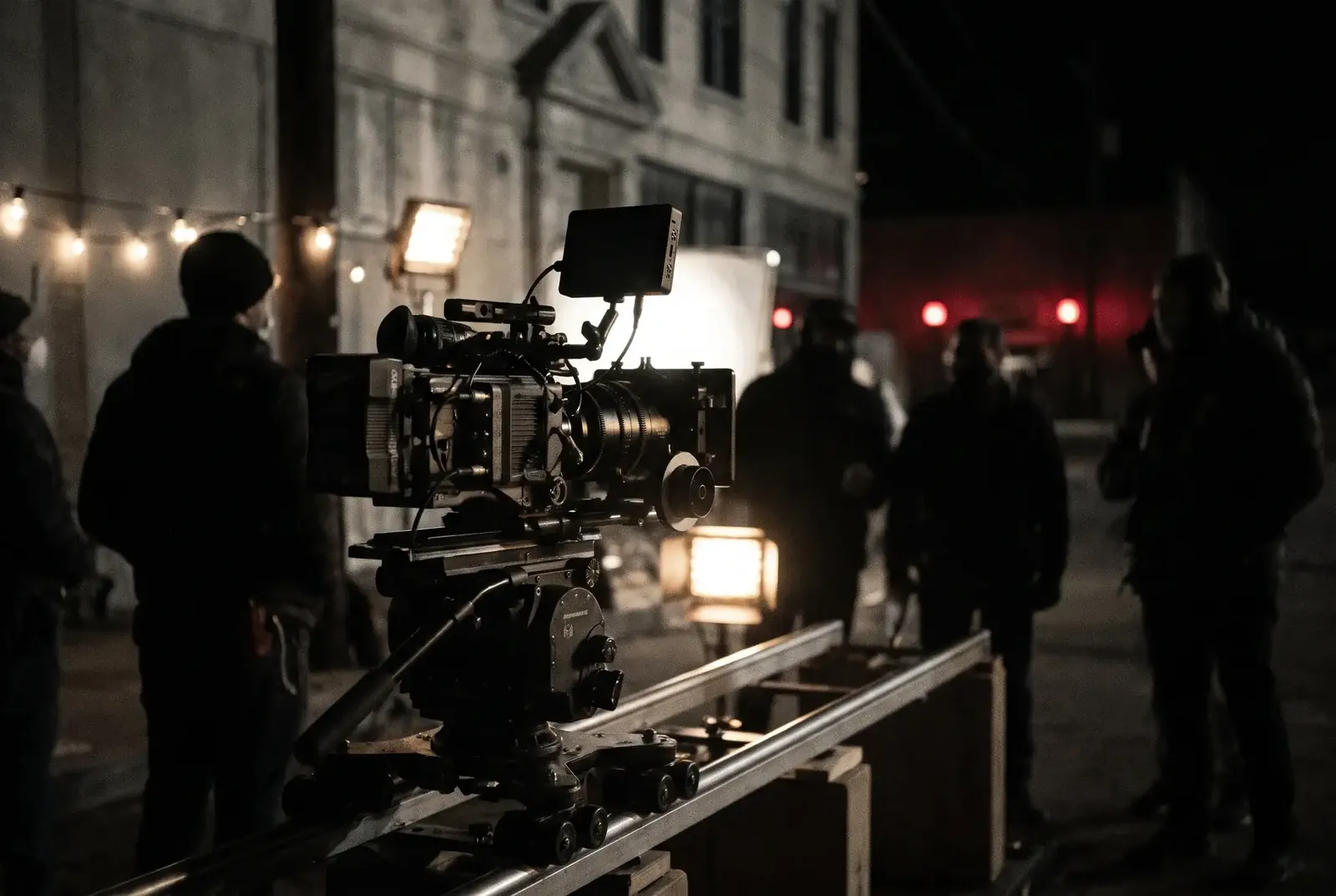
- Super 35 digital, open gate, so the stills team could pull frames straight from the footage.
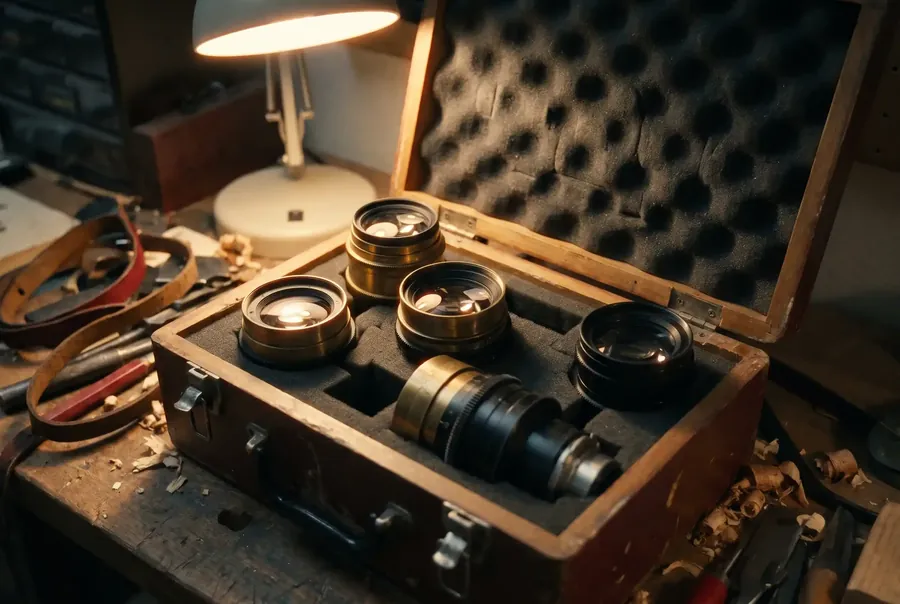
- Three 1960s anamorphic primes, rehoused in Porto: 40, 50 and 75mm.
- A camera car rigged for walking-pace tracking, with a stabilised arm.
- Two 18K lamps, loaded and never switched on.
Speed is an edit decision
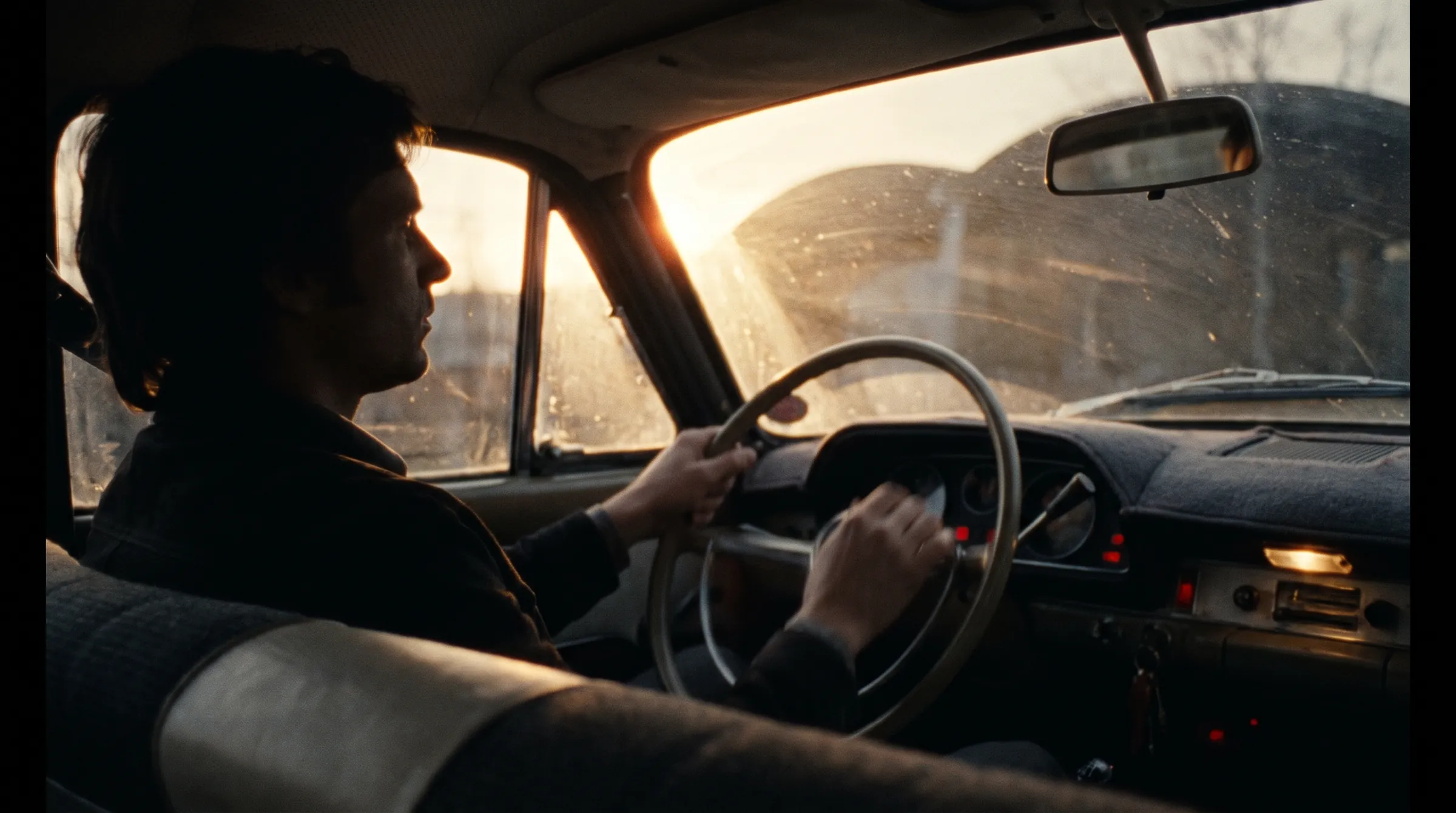
Because the car was slow, the speed had to come from somewhere else. We shot at 48 frames per second for anything near the wheels, kept the tracking vehicle close and low, and left the rest to Juno in the edit. Nobody who has seen the film has asked how fast it was going.
What we would do again
- Test on location, at the real hour, before the crew arrives.
- Keep the unit small enough to move in one van.
- Slate every take, including the ones you are sure are throwaways.
The stills from those forty-minute windows replaced the CGI key visual Arden had already budgeted for. That was not in the brief. It is now in every brief we write.